
Custom Home Design Insights from a Professional Designer
- February 11, 2026
- 6 Min Read
Insights from a Designer on Custom Home Builds
How design shapes the way you live in your home
Building a custom home is not just about square footage, floor plans, or finishes. It is about creating a space that reflects how you live, what you value, and how you want to feel every day when you walk through the door.
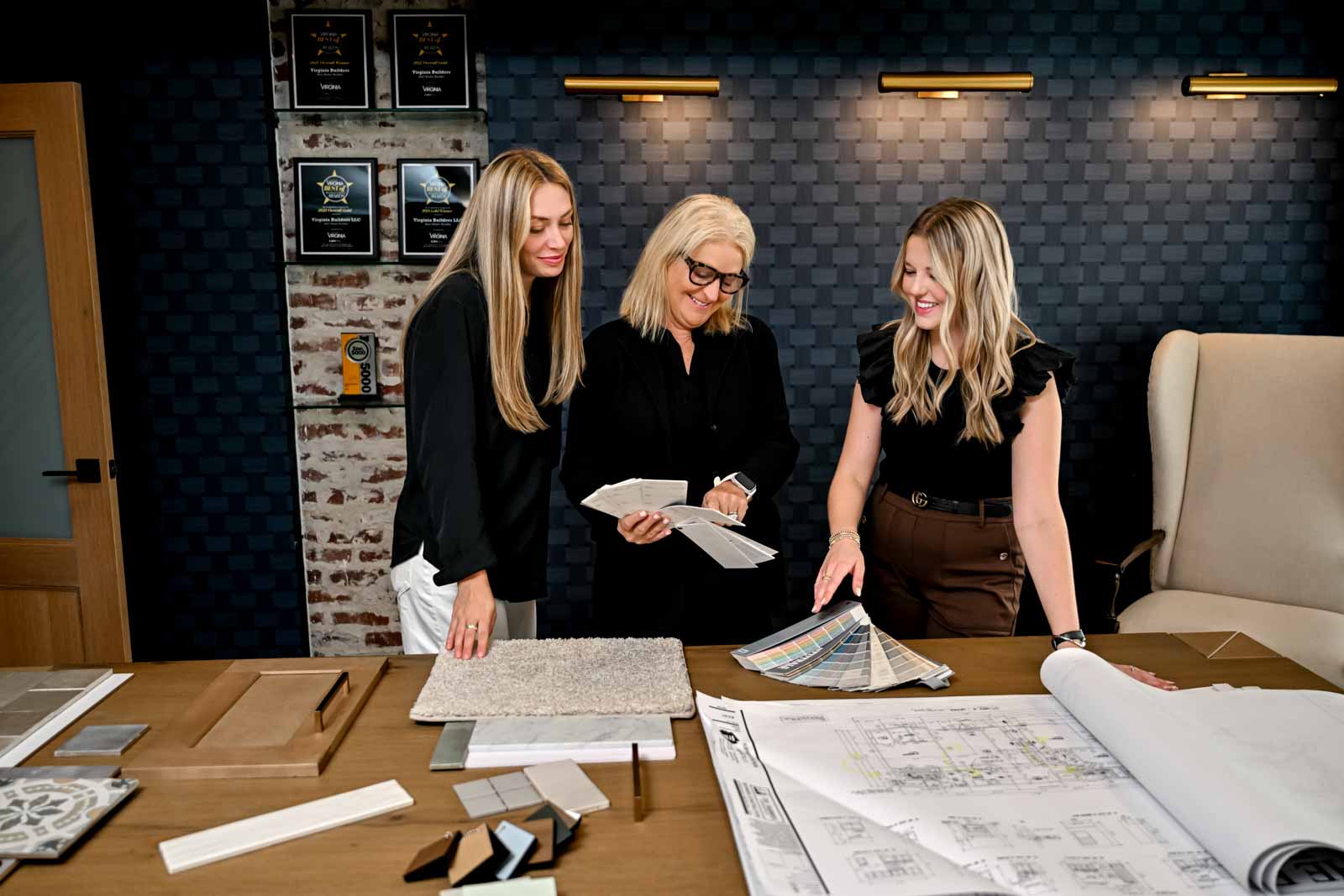
At Virginia Builders, design is not treated as an afterthought. It is a core part of the process. To give homeowners a behind-the-scenes look at how design truly shapes a custom home, we sat down with Virginia Builders’ lead designer, who shared her perspective, practical advice, and lessons from over 15 years of experience.
What “Good Design” Really Means
For our lead designer, good design is simple to define.
It is when a client is excited throughout the process and truly in love with their home when it is finished. Not just proud of it, but emotionally connected to it.
Design is not about following trends or copying what is popular. It is about creating a home that feels personal, functional, and intentional from room to room.
How the Design Process Starts
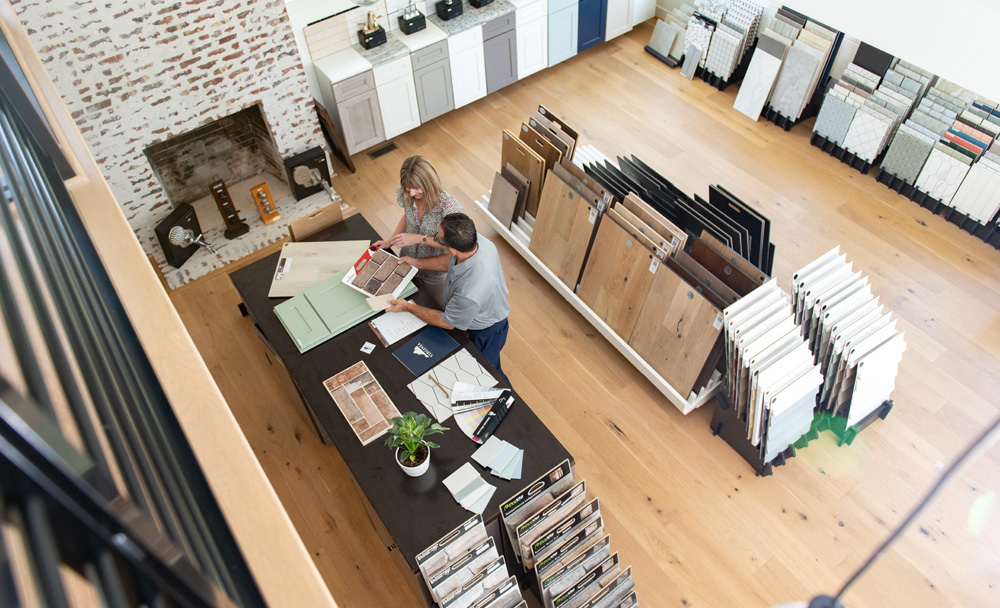
Every project begins with conversation.
Before selecting colors, materials, or layouts, the designer focuses on learning how a client lives. Are they casual and family-focused? Do they love to entertain? Do they collect inspiration photos or Pinterest boards?
Understanding lifestyle and preferences early allows the design to support real life, not just look good in photos.
The most successful projects happen when clients share openly. The more information they provide, the better the home reflects their vision.
Why Early Design Involvement Matters
Design works best when it is involved early, right after architectural plans are complete.
This allows the exterior and interior to work together visually, creating a seamless transition from the outside in. It also helps avoid costly changes later, because key finishes and layout details are considered before construction is too far along.
Early collaboration keeps everything aligned, from curb appeal to interior flow.
Design Choices That Impact Daily Life
Some decisions have a bigger effect on daily living than others. According to our designer, three stand out:
- Natural light and lighting design
Lighting sets the mood and changes how a space feels throughout the day. - Flooring
This is one of the most important materials in a home. It sets the foundation for the entire design. - Paint and color selection
Color defines personality and ties the home together.
When these elements work in harmony, the home feels balanced and inviting.
Making Floor Plans Feel Personal
Even the best floor plans can feel generic without thoughtful design.
The designer looks at how each room flows into the next, how furniture will fit, and how the home transitions from space to space. Built-ins, open archways, and subtle architectural details can transform a standard layout into something truly custom.
The goal is to create a home that feels intentional, not like a series of disconnected rooms.
Overcoming Common Design Challenges
The biggest challenge for most homeowners is decision fatigue.
There are hundreds of choices, and it is easy to feel overwhelmed. The solution is to break the process down room by room, work within a defined budget, and use inspiration images to guide each space.
This keeps the process manageable and enjoyable.
How Designers, Builders, and Clients Work Together
The best custom homes are built by a true team.
Designers, builders, and homeowners must communicate openly and respect each other’s roles. Creativity and construction must work together, with technical requirements guiding what is possible.
When collaboration is strong, the final result is stronger.
Coastal and Climate-Smart Design

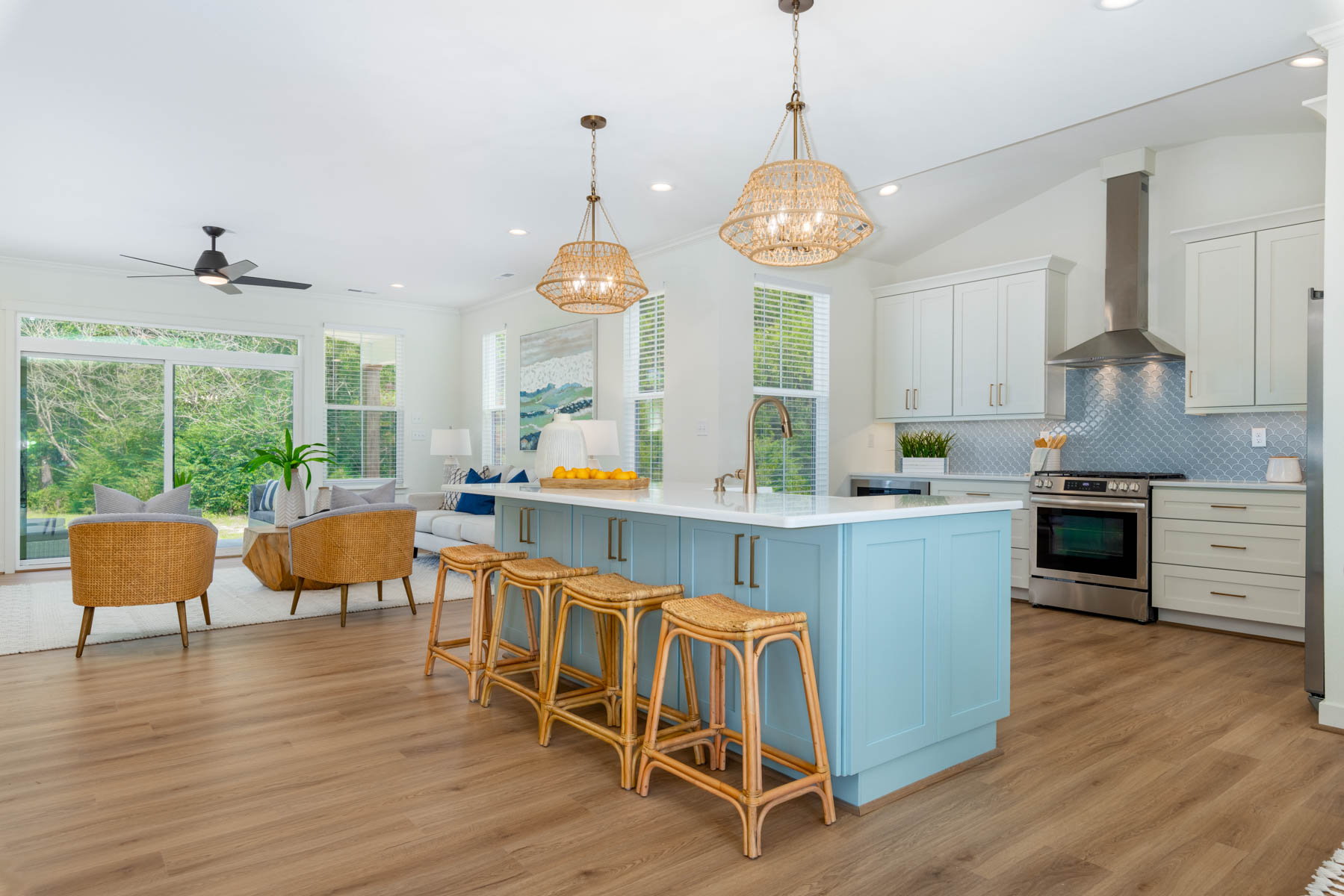
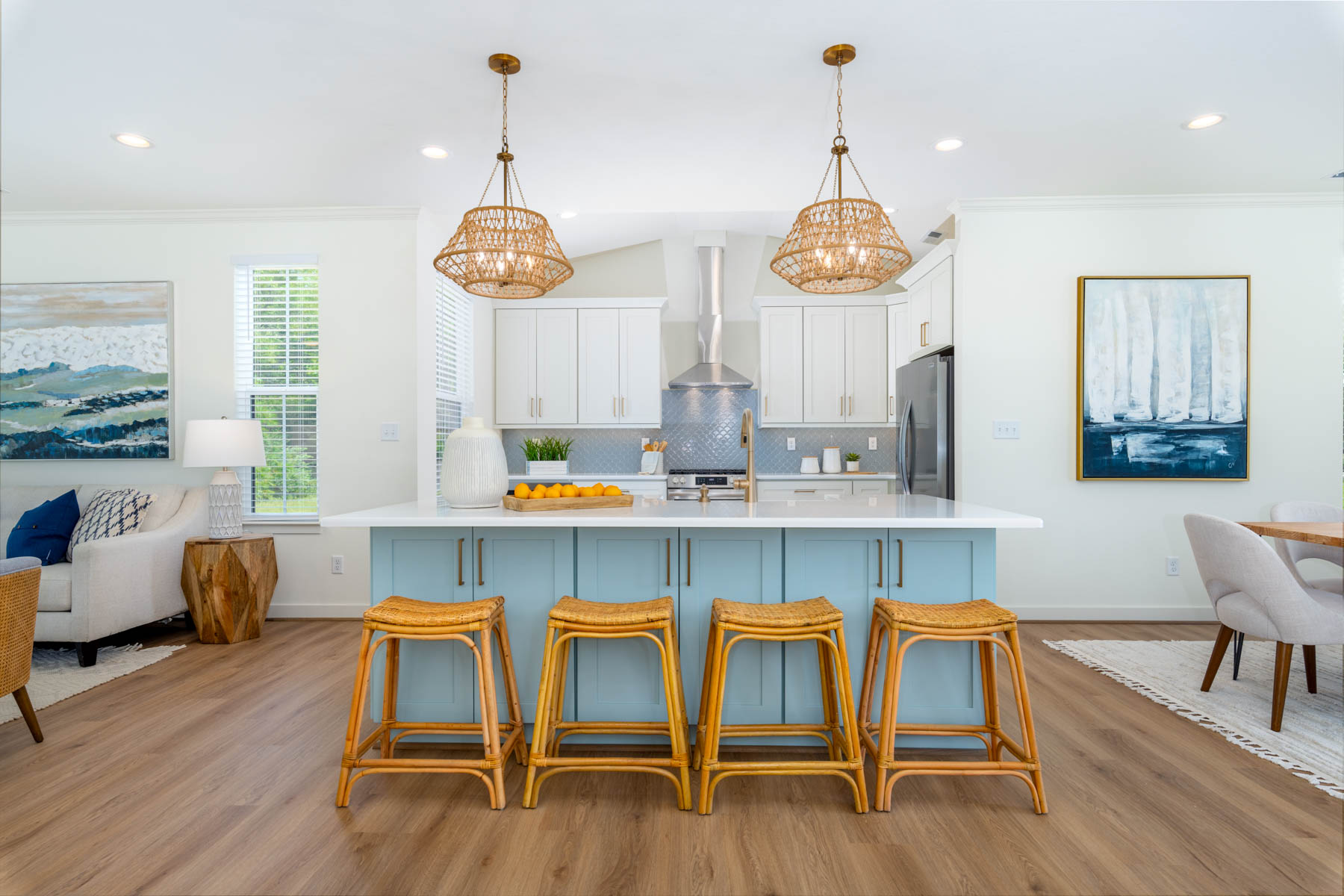
In coastal regions, light, airy interiors work best. The surrounding environment should influence the materials, colors, and finishes chosen inside the home.
A strong connection between the landscape, architecture, and interior design creates a home that feels grounded in its location.
Tips for Homeowners Just Getting Started
Here are a few designer-approved tips for anyone beginning a custom home journey:
- Start with a wish list
- Think about how you will actually live in the home
- Keep finishes consistent and simple
- Invest in the kitchen, living room, and primary suit
- Use neutral bases with color through fabrics and décor
Timeless design comes from simplicity, not trends.
Looking Ahead
Design is evolving with technology. Visualization tools now allow homeowners to see ideas before they are built, making the process more interactive and confident.
But even with technology, the role of a designer remains essential. Someone must connect the vision, patterns, textures, and spaces into one cohesive home.
Final Advice
Enjoy the process.
Trust your builder and designer. Ask questions. Share your ideas. Create a vision for how you want your home to feel, and let the team help bring it to life.
That is how custom homes become meaningful, not just beautiful.